
What we actually mean when we say remote-first
by Leigh Portsmouth5 minute read
Remote-first isn't a perk. It's part of the contract.
Leigh, our Workplace Experience Lead, on freedom, flexibility, and what we owe each other when the office isn't the answer.
When people hear "remote-first," they usually picture one of two things. Either a free-for-all where everyone works from a beach and nobody talks to each other. Or a company that says remote but quietly judges you for not being online at 9am sharp.
Neither of those is us. And honestly, neither of them works.
Remote-first at Booksy means something more specific than either picture. So I want to spell it out, because I think the way we do this is one of the most honest things about working here.

We're remote-first, not remote-only. That's a deliberate choice.
We're remote-first, not remote-only. That's a deliberate choice.
Remote-only would mean drawing a hard line: never see each other, never share a room, never bother. We don't believe in that. We have people across Poland, the US, the UK, Spain and France, and sometimes the best thing for a project, a team, or a person's week is to be in the same physical space. So we make that possible - coworking, offsites, team meet-ups, hub spaces in our key markets.
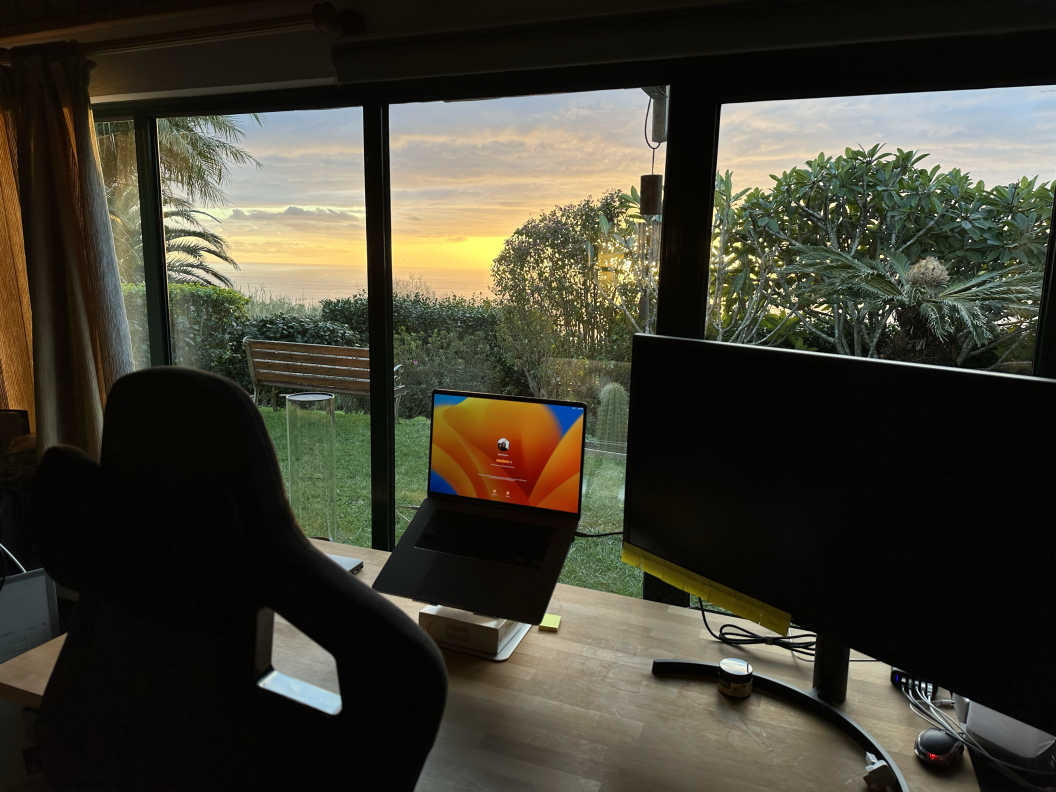
But the default is freedom. You design your week around the work that needs doing and the life you're living outside of it. Not around a building.
Talent doesn't sit in one zip code
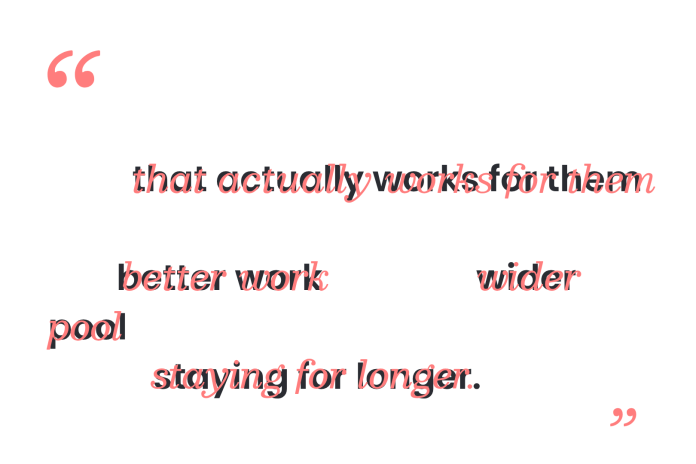
Here's the bigger reason we work this way: the best person for the job isn't always within commuting distance of an office, and we'd be silly to pretend otherwise.
Remote-first means we hire the strongest person for the role in that market - whether they're in Warsaw, Wrocław, Madrid, Manchester, or a smaller town nobody puts on the front of a recruiter brochure. It means parents can build serious careers without choosing between school pickup and a promotion. It means people with health conditions, caring responsibilities, or just a preference for working from somewhere quiet aren't quietly filtered out of the pipeline. It means a senior engineer who wants to live near family in a different country doesn't have to give up the job to do it.
Flexibility is the easy part. Not burning out is the hard part.
Here's the thing nobody tells you about remote work: when the office disappears, the boundaries can disappear with it. The laptop is always there. The Slack notification is always one tap away. "I'll just finish this off after dinner" becomes a habit, and the habit becomes a problem.
Flexibility without burnout is the bit we actually have to work at. It doesn't happen by accident, and it doesn't happen because we wrote a wellbeing policy.
It happens because managers model switching off. Because we protect PTO instead of glorifying the people who skip it. Because we notice when someone's calendar looks brutal and we say something. Of course, we have a way to go. But having a Workplace team that is able to focus on that, makes flexibility safe to use, not just available on paper.
Connection doesn't happen by accident either

Connection doesn't happen by accident either
In an office, connection is a byproduct. You bump into someone at the coffee machine, you overhear a conversation, you grab lunch. Remote-first kills all of that.
Which means if we want connection - and we do, because the work is better and life is better when you actually know your teammates - we have to be intentional about it. Not performative. Intentional.
That looks like: Offsites that are designed to build relationships, not fill a slide deck. Hackathons and events that get people across teams, time zones and job titles in a room to build something together. Onboarding that pairs you with humans, not just systems. Time carved out for the conversation that isn't about the project.

Time zones aren't a detail, they're the design
We're spread across multiple countries and time zones, which means how we work has to be built for that reality, not in spite of it.
In practice that means writing things down so people can catch up on their own time. Respecting the fact that 4pm in Warsaw is 8am in Texas. Not booking the all-hands at a time that's reasonable for one market and brutal for another. Asynchronous by default for the work that doesn't need a meeting. Real-time when the conversation actually matters.
Time zones are the test of whether you mean it when you say you respect people's time. We try to mean it.
The bottom line
Remote-first works because we make it work, every week, in small choices and big ones. It's freedom and responsibility. Flexibility and support. Autonomy and connection. None of those things cancel each other out. They reinforce each other when you build the culture properly.
That's what we're trying to do here. We're not always perfect at it. But we're honest about it, we're committed to it, and we expect everyone who joins us to be part of building it.
That's what remote-first means at Booksy.
Sound like the way you want to work?